
Roofing is one of the most critical aspects of any building, providing protection, insulation, and aesthetic appeal. A strong and durable roof ensures that your home or commercial property withstands harsh weather conditions, reduces energy costs, and adds value to the property. Homeowners and builders alike recognize that investing in high-quality roofing is essential for long-term safety and comfort. From asphalt shingles to metal panels, roofing materials vary widely, and understanding the options available is the first step in maintaining a reliable roof.For more info click this link https://roofingnewcastle.co.uk.
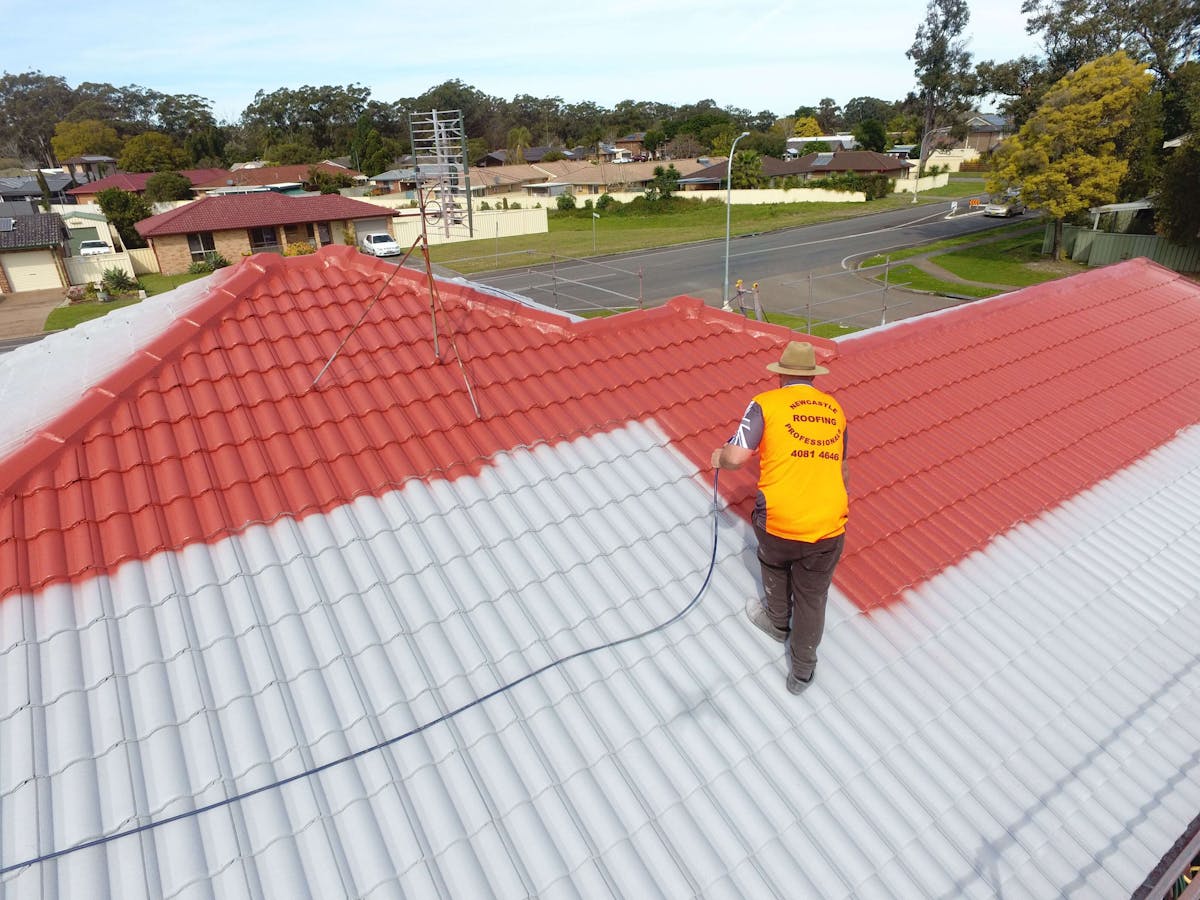
One of the most important considerations in roofing is the choice of materials. Asphalt shingles remain popular due to their affordability and ease of installation, but roofing can also include metal, clay, slate, or synthetic materials. Each option has unique advantages and disadvantages, making it crucial to evaluate durability, maintenance requirements, and climate suitability. For instance, roofing with metal can withstand heavy storms, while clay tiles offer excellent insulation in hot climates. The goal is to select roofing that balances cost, longevity, and aesthetic appeal, ensuring protection for years to come.
Maintenance is another key factor in ensuring the longevity of your roofing. Regular inspections, cleaning, and timely repairs prevent minor issues from turning into costly damage. Roofing can suffer from leaks, cracked shingles, or mold growth if neglected. Homeowners should pay attention to signs of wear, such as missing shingles, sagging sections, or unusual water stains inside the house. Routine maintenance of roofing not only extends its lifespan but also maintains the structural integrity of the building, safeguarding both the property and its occupants.
Weather conditions play a significant role in determining the type of roofing best suited for a home or commercial building. Areas prone to heavy rain or snow require roofing materials that can shed water quickly and resist freezing. In contrast, regions with high heat may benefit from roofing that reflects sunlight and reduces cooling costs. The design and slope of roofing also influence how water or debris is managed, making proper installation a vital part of the process. Choosing roofing appropriate for local weather patterns ensures maximum protection and reduces the likelihood of costly repairs.
Cost is always a consideration when planning roofing projects. While high-quality materials may require a larger initial investment, they often result in lower long-term expenses due to reduced maintenance and extended lifespan. Homeowners should consider the total cost of roofing, including materials, labor, and potential repairs. Additionally, some types of roofing may qualify for energy efficiency incentives, providing further financial benefits. Balancing cost with durability and performance is essential for achieving a roofing solution that meets both budgetary and practical needs.
Professional installation is critical for achieving effective roofing. Even the best materials can fail if not installed correctly. Certified contractors ensure that roofing is installed according to manufacturer specifications, local building codes, and safety standards. Proper roofing installation includes securing underlayment, flashing, and shingles or panels to prevent leaks and enhance durability. Hiring skilled professionals also provides peace of mind, knowing that the roofing will perform well over time and protect the property from potential damage.
Energy efficiency is becoming an increasingly important consideration in modern roofing. Certain roofing materials can reflect sunlight, improve insulation, and reduce heating and cooling costs. Green roofing solutions, such as solar panels or vegetative roofs, provide both environmental and financial benefits. Integrating energy-efficient roofing strategies not only supports sustainability but also increases the overall value of the property. Homeowners seeking long-term savings should consider roofing that combines durability with eco-friendly performance.
Safety should never be overlooked when dealing with roofing projects. Roofing work can be hazardous, involving heights, sharp tools, and heavy materials. Ensuring proper safety protocols, including harnesses, scaffolding, and protective gear, is essential for both professional contractors and DIY enthusiasts. Neglecting safety measures during roofing projects can lead to serious injuries or damage to the property. Prioritizing safety ensures that roofing tasks are completed efficiently and without unnecessary risk.
Finally, the aesthetic aspect of roofing contributes significantly to a building’s curb appeal. Roofing comes in a wide range of colors, styles, and textures, allowing homeowners to express personal taste while complementing the overall design of the property. Attractive roofing enhances the appearance of the home and can increase resale value. Choosing the right roofing combines functionality with visual appeal, ensuring that the property is both well-protected and visually pleasing.
In conclusion, roofing is a vital component of any building, providing protection, energy efficiency, and aesthetic value. From selecting the right materials to maintaining and installing roofing properly, every step plays a role in ensuring long-lasting performance. Weather conditions, cost considerations, safety, and visual appeal all influence roofing decisions. By prioritizing quality, professional installation, and ongoing maintenance, homeowners can enjoy the benefits of reliable roofing that safeguards their property and enhances its overall value. Investing in roofing is ultimately an investment in comfort, safety, and peace of mind.